

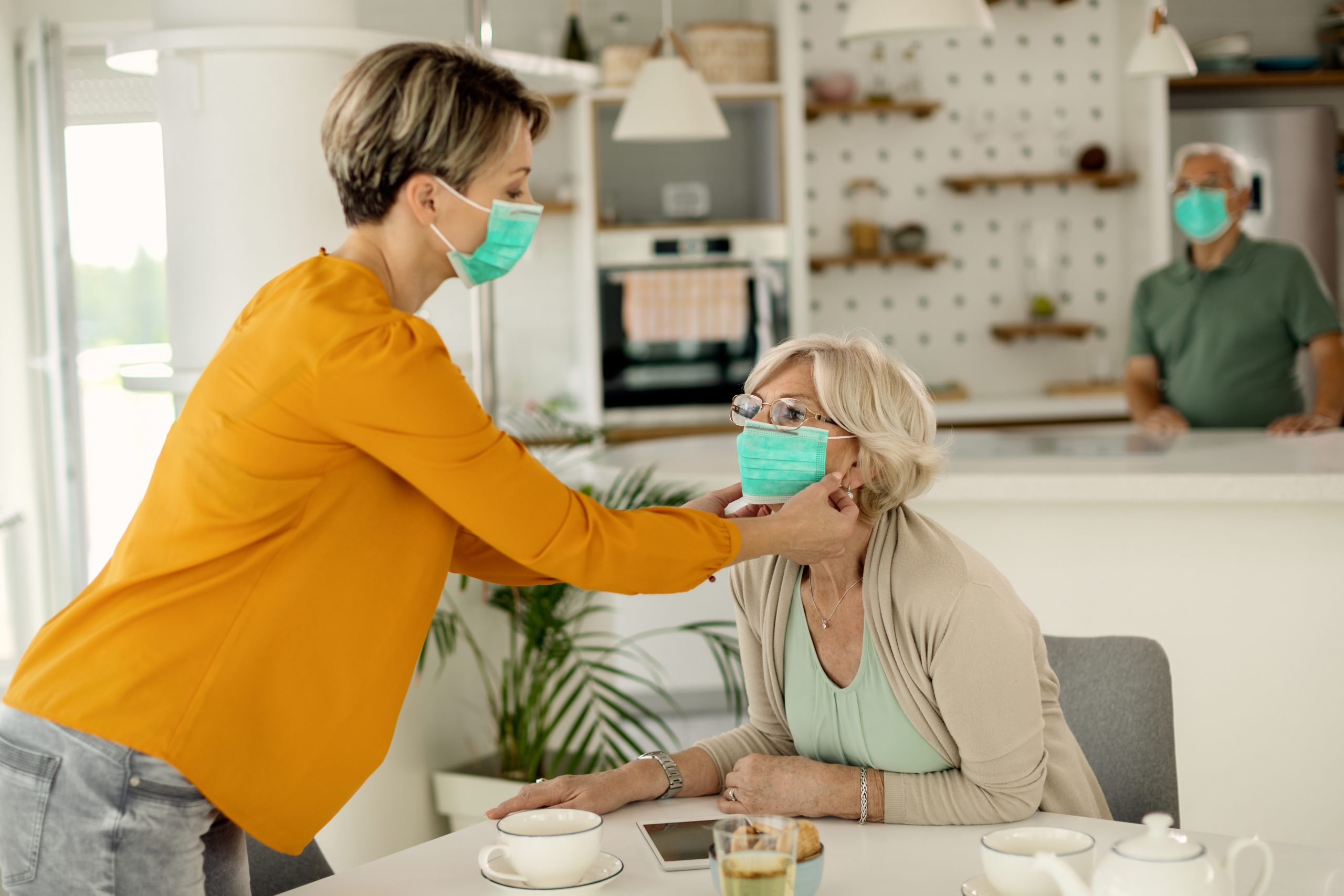
Allergens: Bitesize Learning

Categories: Fundamentals
Wishlist Share
Share Course
Page Link
Share On Social Media

About Course

This short, focused course provides essential awareness of allergens in health and social care settings. Learners will understand what allergens are, how allergic reactions occur, and their role in preventing exposure and responding safely to allergic incidents.

Course Content

Understanding Allergens
This lesson introduces what allergens are and how they can affect individuals. Learners explore the difference between allergies and intolerances, how allergic reactions occur, and why allergen awareness is critical in care environments where vulnerable individuals may be at increased risk.

  • 1. What are Allergens?
  • 2. Allergy vs. Intolerance: The Crucial Difference
  • 3. How Allergic Reactions Occur
  • 4. Why Awareness is Critical in Care Settings
  • Understanding Allergens

Common Allergens and Risk Areas
This lesson focuses on identifying the specific substances that trigger allergic reactions and the "danger zones" within a care environment where exposure is most likely to occur. By understanding both food and non-food allergens, as well as the risks of cross-contamination, care professionals can implement preventative measures to ensure a safe living and working space for vulnerable individuals.

Preventing Allergic Reactions
This lesson shifts the focus from identifying risks to actively managing them through practical prevention strategies. By mastering the art of reading labels, strictly following individualized care plans, and implementing rigorous hygiene and communication protocols, care professionals can create a "safety first" environment. The goal of this lesson is to ensure that every interaction—whether it’s preparing a meal, applying lotion, or giving a snack—is filtered through a lens of allergen prevention.

Responding to Allergic Emergencies
This lesson prepares care professionals to act decisively when a preventative measure fails and an allergic reaction occurs. It covers the critical distinction between mild symptoms and life-threatening anaphylaxis, the immediate physical actions required to save a life, and the proper use of emergency medication. In an emergency, every second counts; therefore, understanding the "ABC" of symptoms and the protocol for calling emergency services is the most vital skill a learner can possess.

Student Ratings & Reviews

No Review Yet

No Review Yet

Want to receive push notifications for all major on-site activities?