

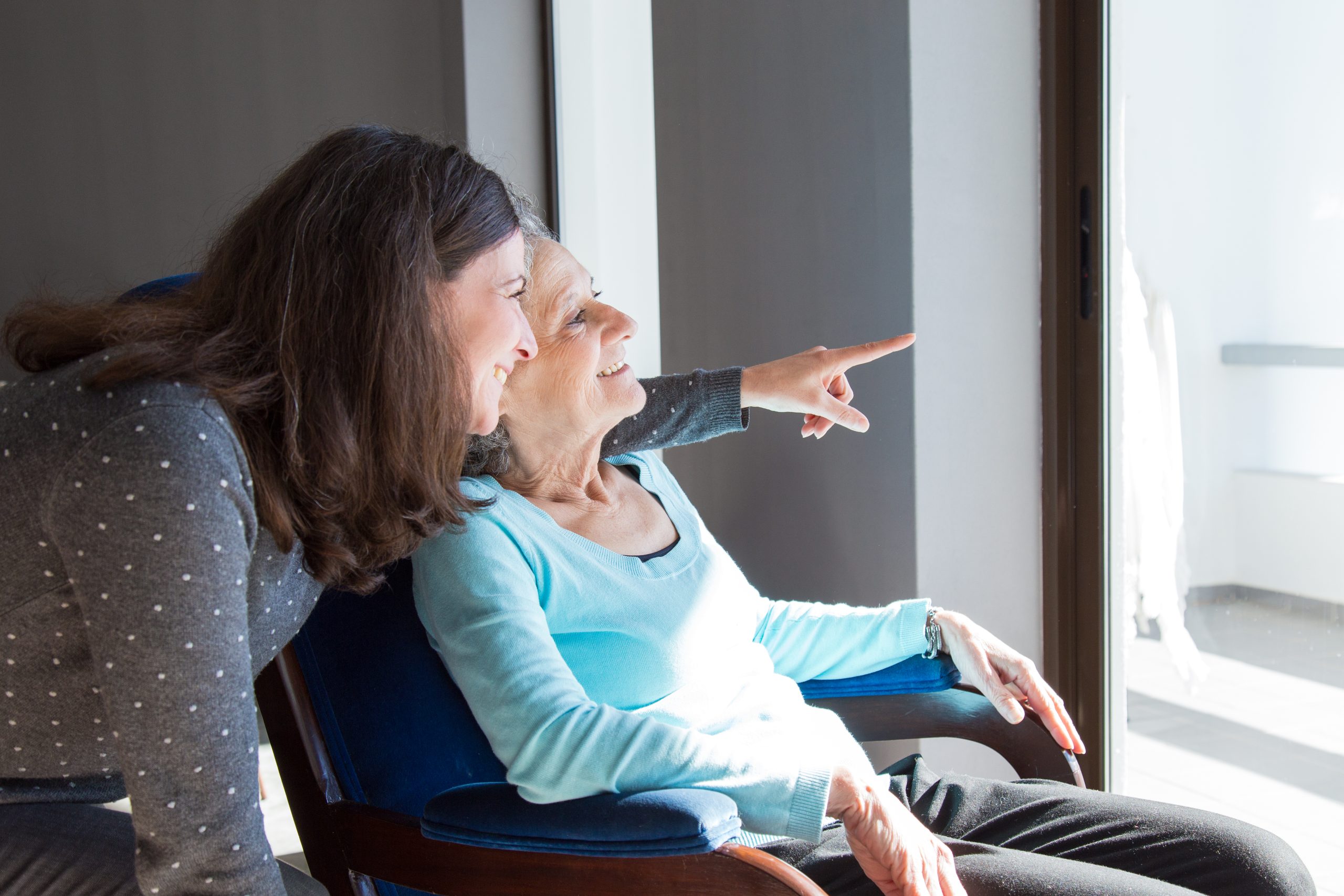
Dementia Care

Categories: Special Courses
Wishlist Share

About Course

Dementia is not a single disease; it is an umbrella term for a range of progressive neurological conditions. This course will move you past the medical diagnosis and teach you how to see the person behind the symptoms. You will learn to decode “challenging behavior” as a form of communication and adapt your environment to promote independence and joy.

What Will You Learn?

  • After completing this course, students will be able to:
  • Understand dementia and its impact on individuals
  • Apply person-centred care approaches effectively
  • Communicate clearly and compassionately with individuals
  • Manage behavioural changes safely and respectfully
  • Support daily living activities and maintain safety
  • Provide dignified and empathetic care

Course Content

Understanding Dementia
To provide great care, you must understand what is happening inside the brain. This module demystifies dementia, explaining the biological changes that occur and the different ways they manifest. You will learn the difference between "normal aging" and dementia, and how the condition typically progresses over time.

  • 1. What is Dementia?
  • 2. Common Types of Dementia
  • 3. How the Brain is Affected
  • 4. The Three Stages of Progression
  • Quiz: Understanding Dementia

Person-Centred Dementia Care
In modern care, we follow the "Enriched Model" of dementia care developed by Tom Kitwood. This model suggests that a person’s experience of dementia is not just about their brain cells; it is about their personality, their life history, and how we treat them. In Ireland, Portugal, and Luxembourg, this is the gold standard. This module teaches you how to look past the "patient" to see the "person," ensuring that their identity remains intact even as their memory fades.

Communication in Dementia Care
As dementia progresses, the language centers of the brain often suffer damage. A resident may struggle to find the right word (aphasia), lose the ability to follow complex sentences, or revert to a native language they haven't spoken in decades. In Ireland, Portugal, and Luxembourg, care workers are trained to become "interpreters" of both verbal and non-verbal cues. This module gives you the practical tools to stay connected when words start to fail.

Behaviour & Emotional Support
In dementia care, we move away from the term "challenging behavior" and instead view behavior as communication. When a resident hits out, wanders, or becomes agitated, they are often trying to express a need that they can no longer put into words (e.g., "I am in pain," "I am scared," or "I need the toilet"). This module teaches you how to be a "detective" to find the root cause of distress and how to provide the emotional reassurance needed to de-escalate difficult situations.

Daily Care & Safety
The final stage of dementia care is about creating a "Habilitative Environment"—a space that supports what the person can still do, rather than focusing on what they have lost. In Ireland, Portugal, and Luxembourg, care facilities are increasingly designed with specific colors, signs, and lighting to reduce confusion. This module covers how to maintain safe daily routines, adapt the physical environment, and monitor a resident’s wellbeing to prevent accidents before they happen.

Student Ratings & Reviews

No Review Yet

No Review Yet

Want to receive push notifications for all major on-site activities?