

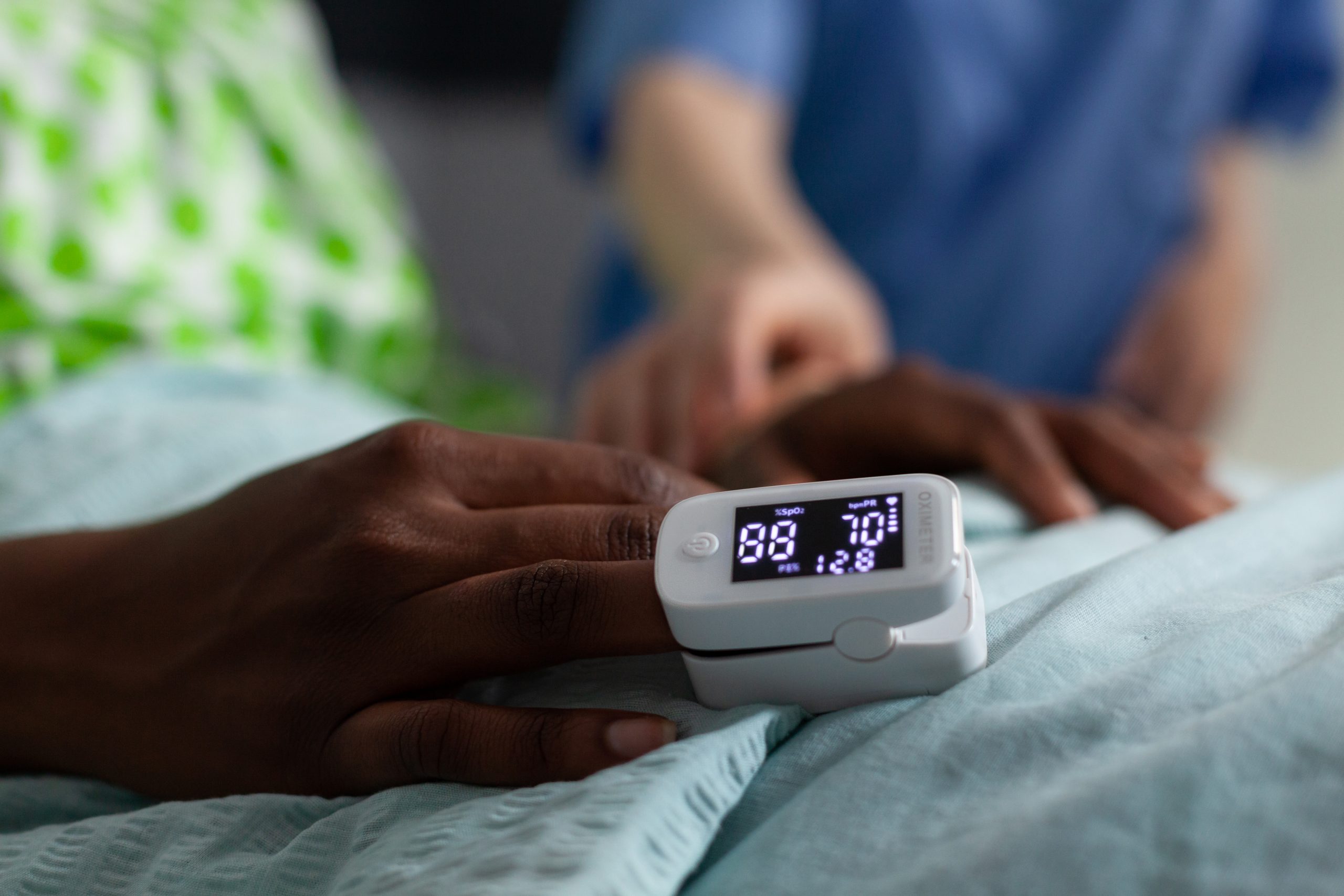
Pressure Area Care

Categories: Special Courses
Wishlist Share

About Course

Pressure Area Care is a specialized training course that equips healthcare and care support workers with the knowledge and skills needed to prevent, identify, and manage pressure ulcers (bedsores).

The course focuses on protecting vulnerable individuals—especially those with limited mobility—by promoting good skin care, regular repositioning, and early intervention strategies. Learners will understand how pressure damage develops and how to apply effective prevention techniques in daily care practice.

This training is essential in maintaining patient safety, improving quality of care, and meeting professional care standards in settings across countries such as Ireland, Portugal, and Luxembourg.

Show More

What Will You Learn?

  • After completing this course, students will be able to:
  • Understand how pressure ulcers develop and progress
  • Identify individuals at risk of pressure damage
  • Apply effective prevention and repositioning techniques
  • Monitor skin condition and recognize early warning signs
  • Record and report concerns appropriately
  • Deliver safe, person-centred care to prevent harm

Course Content

Understanding Pressure Ulcers
To prevent a pressure ulcer, you must first understand the biological "silent enemy" behind it. This module covers the science of how skin dies when blood flow is blocked, the external forces that cause damage, and the international classification system used to stage the severity of a wound.

  • 1. What are Pressure Ulcers?
  • 2. The Three “Force” Causes
  • 3. Key Risk Factors
  • 4. The 4 Stages of Pressure Damage
  • Quiz: Understanding Pressure Ulcers

Risk Assessment
Prevention begins with prediction. In healthcare settings across the EU, we do not wait for a red mark to appear before acting. Instead, we use validated clinical tools to calculate a "Risk Score" for every patient upon admission. This module teaches you how to identify high-risk individuals by looking at their mobility, health conditions, and sensory perception. You will learn to use the tools that nurses and carers use daily in Ireland and Luxembourg to trigger life-saving prevention plans.

Prevention Techniques
Once a risk has been identified, action must be taken immediately to "offload" pressure. In European care standards, prevention is built around the SSKIN Bundle (Surface, Skin, Keep moving, Incontinence, Nutrition). This module focuses on the practical, hands-on techniques you will use every day to stop a pressure ulcer from forming, including the use of high-tech equipment and the critical "Turning Schedule."

Monitoring & Reporting
In pressure area care, "if it wasn't recorded, it didn't happen." Because skin damage can progress from a slight redness to a deep wound in just a few hours, consistent monitoring and precise documentation are the most important tools a Care Assistant has. This module teaches you how to perform a "Skin Inspection," what specific changes to look for, and the legal "Escalation Procedures" used in Ireland, Portugal, and Luxembourg to ensure a wound gets professional nursing or medical attention immediately.

Person-Centred Care in Prevention
Pressure area care is a clinical necessity, but it can be highly intrusive for the resident. Being turned every two hours, having your skin inspected by staff, and using noisy air mattresses can impact a person's sense of dignity and sleep. This final module teaches you how to balance the clinical "SSKIN" bundle with a Person-Centred Approach. You will learn how to communicate the importance of prevention, respect a resident's choices, and ensure that "care" never feels like "procedure."

Student Ratings & Reviews

No Review Yet

No Review Yet

Want to receive push notifications for all major on-site activities?